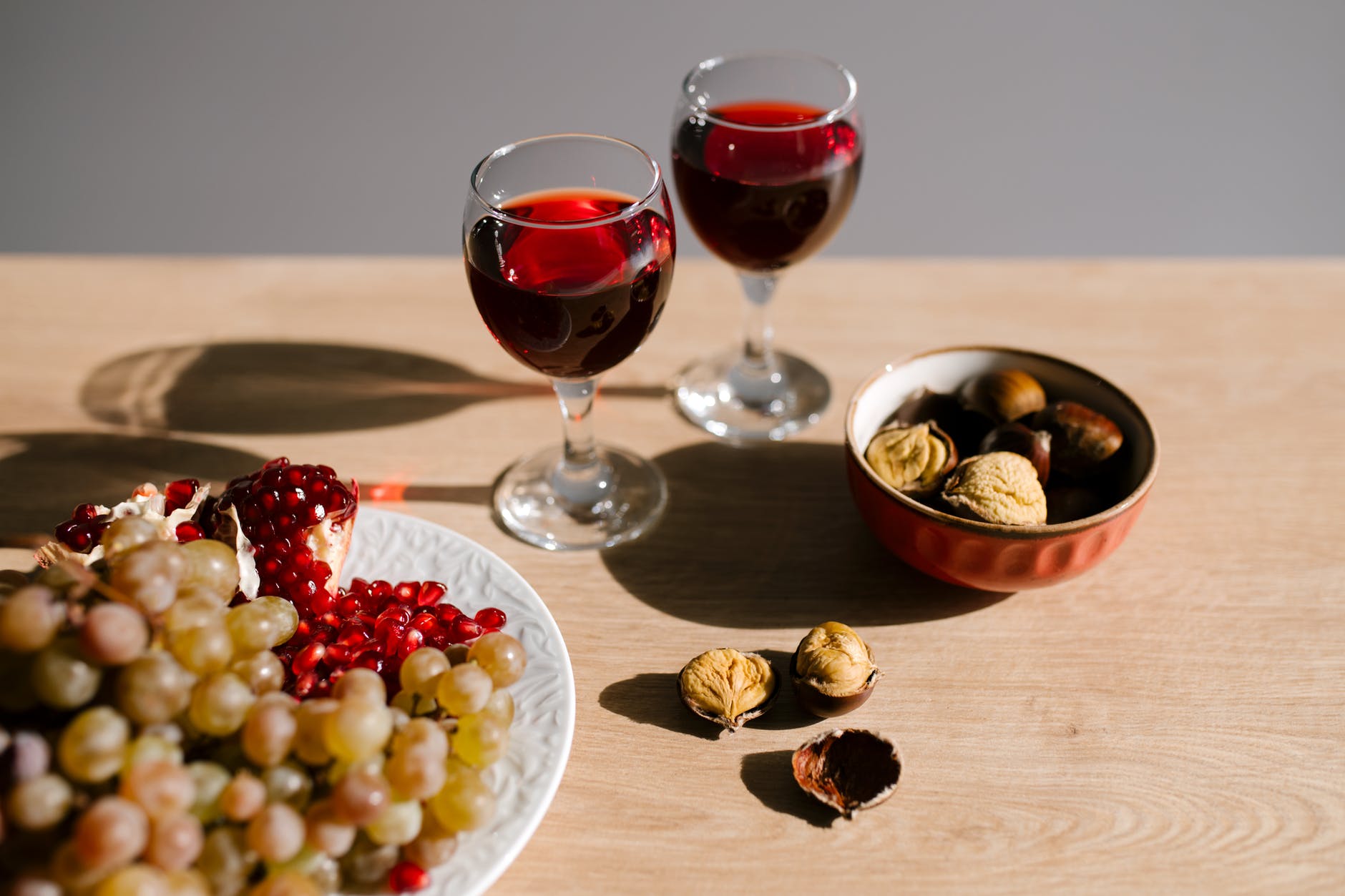

Grapes are pretty remarkable. Jelly, balsamic vinegar, raisins, wine – all made from ’em. Winemaking has been done for ages. The first known wine creation happened in South Caucasus in 6,000BC when early Georgians found grape juice fermented when buried underground in the winter. Since then, generations have created, sipped and celebrated this age old beauty. The question remains for many – how is it made?
Grape Anatomy
Grapes are made of four components, all of which are vital pieces in the winemaking process:
- Skin
- Seeds
- Stems
- Pulp (some call it flesh, but that weirds me out so we’re sticking with pulp)
Alcoholic Fermentation
Before we get into the nitty gritty, we have to give alcoholic fermentation a moment of explanation because this is where the magic happens. Alcoholic fermentation is the process that turns that sweet liquid into alcohol. Within the terms of wine, this is where grape juice is converted to wine. There are two things needed for alcoholic fermentation: sugar and yeast. The sugar comes from the grape juice. Once the grape juice is in the fermentation tank, yeast is introduced. Yeast are microscopic organisms that eat sugar and convert it into alcohol and carbon dioxide. If you’re a visual learner, I tend to think of the yeast like Pac-Man and the sugar like the Power Pellets. They go around eating all the sugar molecules they can, converting them into alcohol. When the little yeast have either eaten all the sugar, can’t keep going, or the wine maker stops fermentation, their job is done. At the end of the fermentation process, the three elements that are present are carbon dioxide, alcohol and heat. Science!


The Wine Making Process
The wine being made will dictate how much each piece is used. All in all, there’s a few steps that are encompassed in each process: crushing, pressing, fermentation, bottling and maturation. There’s a few steps that will be specific to the wine style, but we’re going to hit the basics first.
Crushing
This is exactly what it sounds like. After the grapes are picked, they are crushed to release some of the grape juice. Whether it’s white, red, or rosé being made – the process always starts here.
Pressing
Pressing the grapes is either the second or fourth step in the wine making process, depending on style being made. The goal of pressing is to get any remaining liquid out of the grapes.
Alcoholic Fermentation
As noted earlier, this is the big moment. Yeast go around eating sugar until they either can’t anymore or they’re stopped and boom! Wine. This can either happen in steel tanks or oak barrels. The decision on what vessel is used to ferment the wine will be dependent on the wine maker and wine being made.
Draining (red and rosé wine only)
When winemakers create red wine or rosé, they crush the grapes and leave the skin, seeds and stems with the grape juice to ferment. ‘Why?’ you may be asking yourself. Color and tannins! This practice gives red wines and rosés color and tannins. When creating a red wine, producers drain the skins, seeds and stems from the juice when the newly made wine is finished fermenting. In the case of rosé, skins are either drained from juice after a few hours or a red wine is blended with a white wine (conveniently, this process is called blending).
Short Maceration
Short maceration is a process used when making rosé. The skins are drained from their juice after only a few hours and then it’s left to keep fermenting. This is what gives rosé its infamous color we all love so much. This is the only method permitted in many parts of Europe.
Storage and Maturation
Once fermentation has ended, the new wine is left to mature before it is bottled. For most wines, this is less than a year. For some, they are left for only a few months to guarantee the flavor of the wine changes very little. Other times, wines are left to mature for an extended period of time so that the flavors and body develop (known as maturing the wine). Storing and maturing wines usually happens in either steel tanks or oak barrels. The “oak or not to oak” decision comes down to what flavors and aromas the wine maker wants to impart on the wine. With rosés and (some) white wines, wine makers will opt to mature in a steel tank so the wine stays fruity. Wine makers may choose to mature in oak barrels to impart some more complex flavors onto the wine. The size and age of the oak barrel will determine the flavors imparted on the wine, but you can expect flavors like oak, vanilla, clove, spice and others.
Bottling
Aaaaand, magic! The wine is bottled and ready to enjoy. Most often you’ll find wine is bottled in glass. However, canned and boxed wines are becoming more and more popular.
That’s it, friends! These steps are switched around depending on the wine being made. Regardless, these 7 steps are the basic process of wine making that has been used.
Leave a Reply